

Spinal conditions and neck injuries are something that can quietly take over life.
One morning, you wake up with a stiff neck and think nothing of it. A few weeks later, your fingers start feeling numb. Then the pain follows you through every meeting and every attempt at a good night's sleep.
Most people live like this for years before getting real answers. This isn't because they're ignoring it. But it's simply because nobody told them what was actually going on. When they finally do seek help, the options they're handed are usually the same: medication or surgery. Medication takes the edge off on good days, but never gets to the root of anything. Surgery sounds promising until you start reading about the recovery, the risks, and the number of people who come out the other side still in pain.
If you've been stuck between both and are seeking a better alternative to treat your spinal stenosis and cervical spine injuries, here's what you need to know about chiropractic care for spinal stenosis and neck injury from a trusted chiropractor in Pottsville, PA.
Understanding the Conditions
If you're at the stage where living with this pain and discomfort isn't an option, understanding the cause behind it is worth it. Spinal stenosis and cervical spine injury are not the same thing, even though they often show up together.
Spinal Stenosis
The spaces inside your spine (particularly around the spinal canal) gradually begin to close in. As the space tightens, the spinal cord and surrounding nerves start to feel the pressure. When this happens, your body starts sending signals that something is wrong. For most people, it happens slowly, often from years of poor posture or an old injury that was never fully addressed. By the time symptoms become hard to ignore, the narrowing has usually been building for a long time.
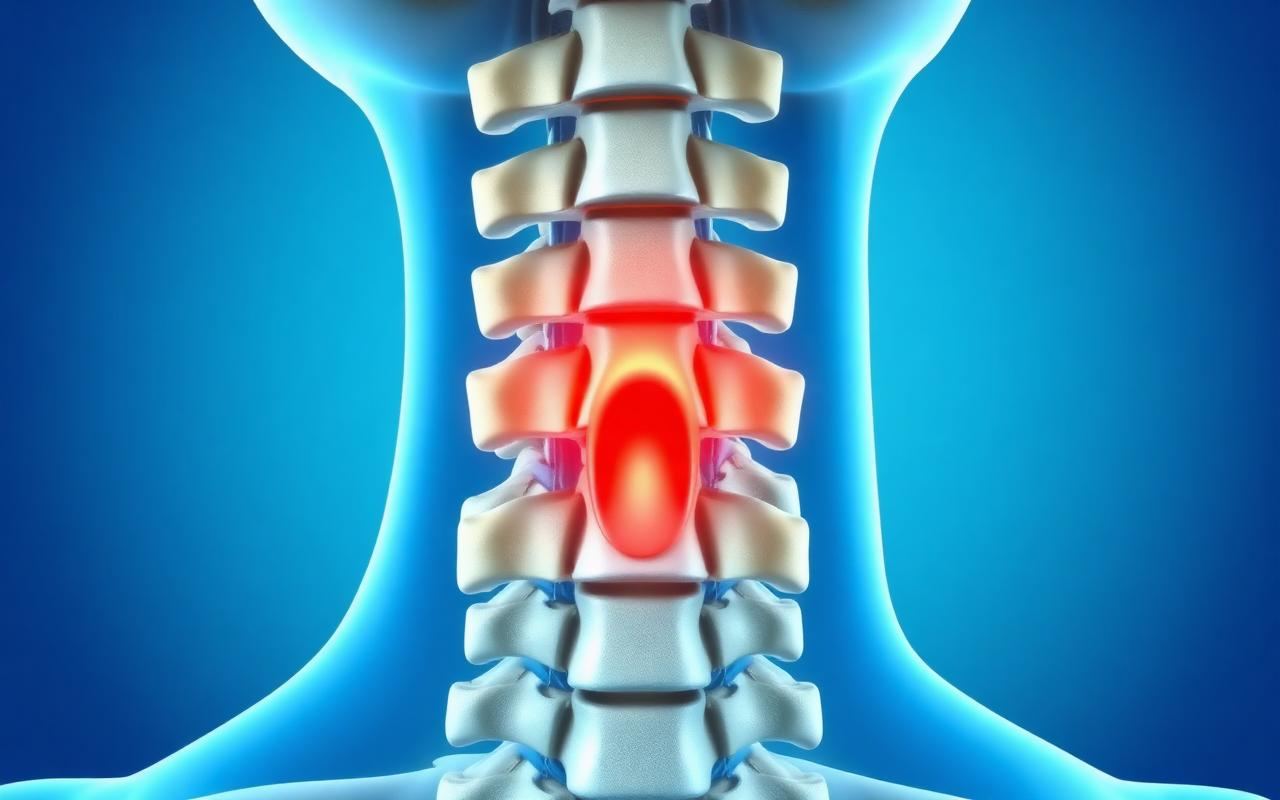
Cervical Spine Injuries
The cervical spine is the uppermost part of your spine. It's the section that runs through your neck. It's one of the most mobile parts of your body, which is exactly what makes it vulnerable. A car accident, a bad fall, a sports collision, or even years of looking down at a phone can all put more stress on this area than it's built to handle. What starts as tension or soreness can gradually turn into something that affects your arms, your sleep, and your ability to get through a normal day.
Why the Neck and Spine Get So Easily Affected
The spine was built for movement: walking, lifting, and reaching. But most people today spend the majority of their day sitting still, hunched over a screen, or sleeping in positions their bodies weren't meant to hold for hours.
That kind of stress doesn't hurt you immediately. It quietly builds in the background. The neck takes the worst of it. It's holding up your head all day while being pulled forward by phones, laptops, and bad seating, and it's doing that on a structure that was never meant to be static.
Add in an old injury that never healed quite right or years of posture habits your body quietly compensated for, and the conditions for spinal stenosis or a cervical spine injury become very easy to meet.
Most people don't do one dramatic thing that breaks their spine. They do a hundred small things for a long time, and one day the body stops absorbing it.
How Can Spinal Chiropractic Care Help?
Chiropractic care works on a simple but important premise: when the spine is properly aligned, the body functions better. Every nerve signal your brain sends travels through your spine. When something in that pathway is compressed, shifted, or under constant stress, your body starts struggling to do things it should be doing automatically.
For conditions like spinal stenosis and cervical spine injuries, that's exactly where chiropractic care steps in.
Chiropractic Care for Spinal Stenosis and Neck Injuries
Chiropractic care for spinal stenosis doesn't reverse the narrowing of the spinal canal, and any reliable chiropractor will tell you that upfront. What it can do is make living with stenosis significantly more manageable, and for many patients, dramatically less painful. Here's how:
Chiropractic Adjustments
A spine that's out of position doesn't just hurt. It actively works against you. Misaligned vertebrae add pressure to an already compressed canal in stenosis and press on nerves that travel into your arms and shoulders in cervical injuries. Adjustments correct that. When the pressure comes off the nerves, the body finally gets a chance to heal.
Spinal Decompression Therapy
When discs are herniated or the space between vertebrae has collapsed, the spine needs more than realignment. Spinal decompression therapy for herniated discs gently stretches the spine. It creates space between compressed vertebrae and takes nerve pressure down to a level the body can actually work with.
Physical Therapy & Rehabilitation
After months or years of dealing with spinal stress, the muscles around your spine may weaken. They might have been compensating for so long that they can no longer support the spine the way they should. Rehabilitation rebuilds that strength, so the progress made through adjustments actually lasts.
Massage Therapy
With spinal stenosis and cervical spine injuries, the muscles around the affected area are almost always tense and overworked. That tension adds to the nerve pressure and slows down recovery. Massage therapy releases that tightness, reduces inflammation, and helps the spine respond better to adjustments.

Knowing about the right chiropractic care for spinal stenosis and cervical neck injury is the first step. The other half is finding the right care for spinal stenosis or a cervical spine injury. If you're in Pottsville, PA, and looking for a place that treats the problem rather than just the symptoms, Complete Injury Care is worth looking into. From chiropractic adjustments to full rehabilitation, we put together a plan based on what your body actually needs. You can book a free consultation and see what's possible before committing to any chiropractic care for injury recovery.
Conclusion
Spinal stenosis and cervical spine injuries have a way of stealing things from you slowly. First, it's a good night's sleep. Then, it's the ability to sit through a meal, drive without discomfort, or get through a workday without counting down the hours.
Most people don't notice how much they've given up until they start getting better. The good news is that surgery and a lifetime of medication aren't your only options. Spinal chiropractic care has helped a lot of people get their quality of life back, not by masking the pain, but by going after what's actually causing it.
If you're in Pottsville, PA, and you've been putting this off, talk to Complete Injury Care about it. We'll help you get rid of your pain and discomfort. Same-day appointments are available, and your first consultation won't cost you anything.
Frequently Asked Questions (FAQs)
Can chiropractic care cure spinal stenosis?
It can't reverse the narrowing, but it can significantly reduce the pain, nerve pressure, and stiffness that come with it without surgery.
Is chiropractic care safe for cervical spine injuries?
Yes. Cervical adjustments are gentle and precise. Your chiropractor will assess your injury first to determine the right approach for your specific condition.
How long does it take to see results?
Some patients feel a difference within the first few visits. Others with more chronic conditions may need a few weeks of consistent care before noticing significant improvement.
Can chiropractic care help if I've already had surgery?
Yes. Many patients seek chiropractic care after surgery that didn't fully resolve their symptoms and find relief that surgery alone couldn't provide.
How is spinal decompression therapy different from a regular adjustment?
An adjustment realigns the vertebrae. Spinal decompression therapy stretches the spine to create space between compressed discs. Both target different aspects of spinal health and are often used together.