

Living with pain after an injury takes more out of a person than they realize. Physical suffering is one thing. But what really wears you down is losing your independence. Simple things become calculations.
Most people go through the same path. Painkillers, rest, and a few physiotherapy sessions. These things help take the edge off, but the pain keeps returning. That's because they treat what you feel, not what's actually causing it. A misaligned spine, a compressed nerve, and restricted joint movement - these don't heal with rest alone. The pain has every reason to come back until the structural problem is addressed. Chiropractic care exists specifically for this. It's a healthcare discipline that identifies and treats the structural source of your pain, not just the symptoms sitting on top of it.
If your body hasn't fully recovered despite trying other treatments, chiropractic care may be what your recovery has been missing. Continue reading to find a better solution for your pain and for a good chiropractor in Pottsville, PA.
What is Chiropractic Care?
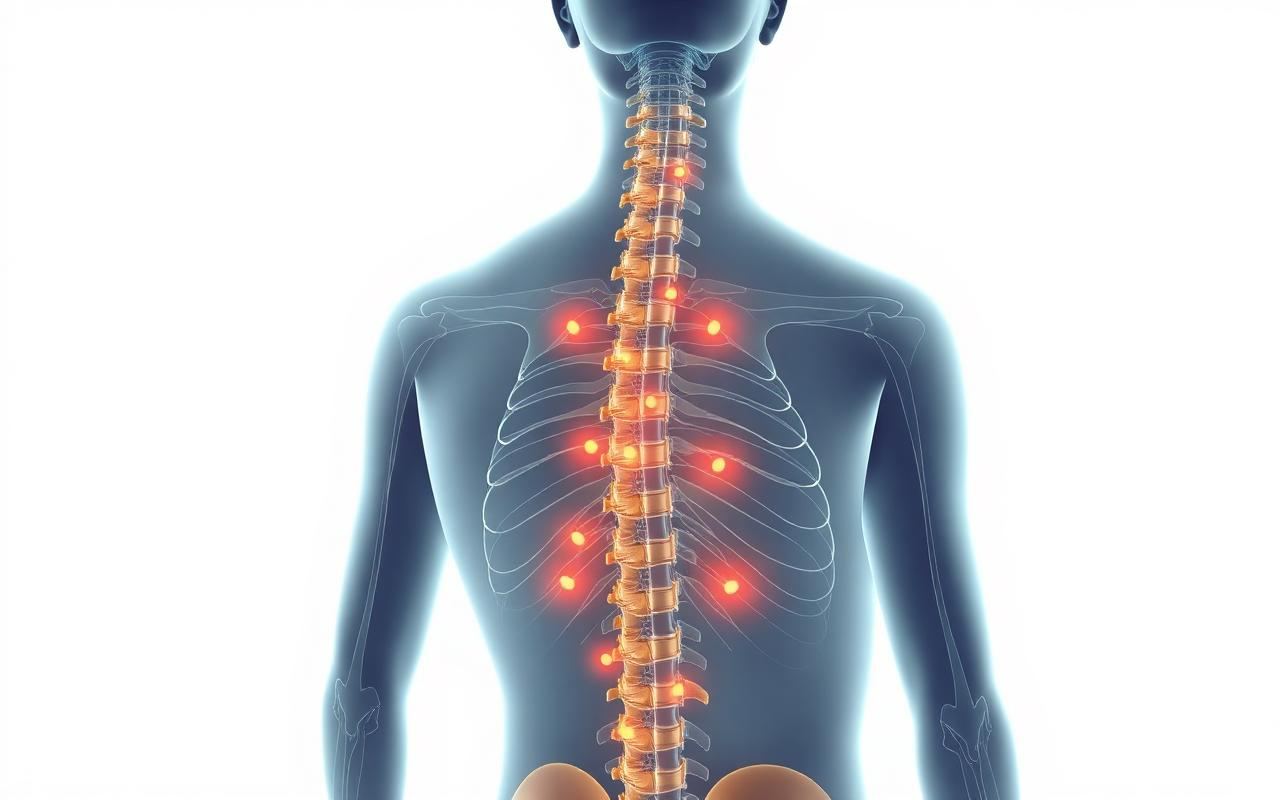
Your spine does more than hold you upright. It protects the spinal cord, the central highway through which your brain communicates with every part of your body. When something disrupts that through an injury, poor posture, or repeated physical stress, the effects don't stay local.
Pain spreads and movement becomes restricted. The body starts compensating in ways that create new problems. Chiropractic care addresses this directly. It's a regulated healthcare discipline built around restoring proper function to the spine, joints, and musculoskeletal system.
Who is a Chiropractor?
A chiropractor is a clinically trained personality who identifies exactly where that function has broken down and treats it through precise hand-on techniques, most commonly spinal adjustment and joint mobilization.
The difference between chiropractic treatment for car accident injuries and conventional pain treatment is significant. Most treatments reduce what you feel. Chiropractic care works on why you feel it. It has been practiced for over a century, is covered by insurance in most countries, and is recommended by mainstream medical guidelines for several musculoskeletal conditions, particularly lower back pain and whiplash recovery.
How Chiropractic Care Helps with Injury Recovery
Recovery after an injury feels like an achievable thing. People think resting helps a lot. But it does not always correct what the injury actually disrupted inside the body. This is the reason why so many patients find themselves still dealing with pain weeks or even months later, despite doing everything they were told to do.
The problem in most cases goes deeper than tissue damage. An injury disrupts spinal alignment, alters how joints move, and interferes with the nerve pathways running through the affected area. The body responds by compensating, shifting load onto surrounding muscles as well as joints that were never meant to carry it. It's a cycle that chiropractic care is specifically designed to break.
Restores Normal Joint Mechanics
Trauma forces joints out of their normal movement patterns and the body pays for it slowly. The inflammation does not fully settle. But spinal adjustment restores that lost movement and gives damaged structures the environment they need to repair properly rather than simply adapt around the problem.
Relieves Pressure on Compressed Nerves
A misaligned spine compresses nerve roots, and patients feel that compression far from where the injury actually happened. Pain down the arm, numbness in the leg, weakness that does not make sense until you trace it back to the spine. Chiropractic adjustment removes that pressure at the source and reaches symptoms that painkillers and rest never could.
Stops Muscles from Overcompensating
A joint that is not moving properly forces surrounding muscles to pick up the load. They were not designed for it. They tighten, develop trigger points, and quietly become their own source of pain completely separate from the original injury. Restoring the joint is what gives those muscles permission to finally release.
Creates the Right Conditions for Tissue Healing
Damaged tissue needs oxygen, nutrients, and reparative cells to regenerate. All of that travels through circulation, and spinal misalignment compromises that circulation directly. Restoring proper alignment gets that process moving again, which is what actual healing depends on.
Reduces the Risk of Long-Term Chronic Pain
An injury that is not structurally addressed has a strong tendency to become permanent. The research on this is consistent. Patients who deal with the underlying biomechanical damage early recover more fully and are far less likely to still be managing the same pain years later.
Most Common Injuries Chiropractors Treat
Chiropractors treat a much wider range of injuries than most patients realize. And many of these conditions respond better to chiropractic intervention than they do to conventional treatment alone.
Whiplash and Neck Injuries
Chiropractors catch what gets missed, realign the cervical spine. They address the soft tissue damage before it turns into the kind of chronic stiffness that follows people for years. Chiropractic care treats whiplash by performing cervical spinal manipulation to restore proper vertebral alignment, combined with soft tissue therapy to release the muscle spasm that forms around the injured area. This reduces nerve irritation and prevents the stiffness from becoming permanent if treated early.

Lower Back Injuries
Lower back injuries typically involve a combination of spinal misalignment, disc pressure, and muscle compensation that builds up over time.
Chiropractic treatment uses lumbar adjustments or spinal stenosis chiropractic care to correct vertebral misalignment, which directly reduces the mechanical pressure on the discs and the nerves running through the lumbar region.
Sports Injuries
Athletes are wired to push through discomfort, and that works until it stops working. Some injuries need just rest. But others need structural damage behind them actually fixed. A bad landing or a heavy collision doesn't stay contained to one spot. The force moves through the body and disrupts spinal alignment.

Herniated and Bulging Discs
Discs don't herniate randomly. Pressure accumulates over time through misalignment, poor posture, and loading patterns the spine wasn't positioned to handle well.
Chiropractic care targets that pressure directly through herniated disc decompression therapy. Most patients who stay consistent with their chiropractic treatment for car accident injuries get their function back without ever needing surgery.
Repetitive Strain and Occupational Injuries
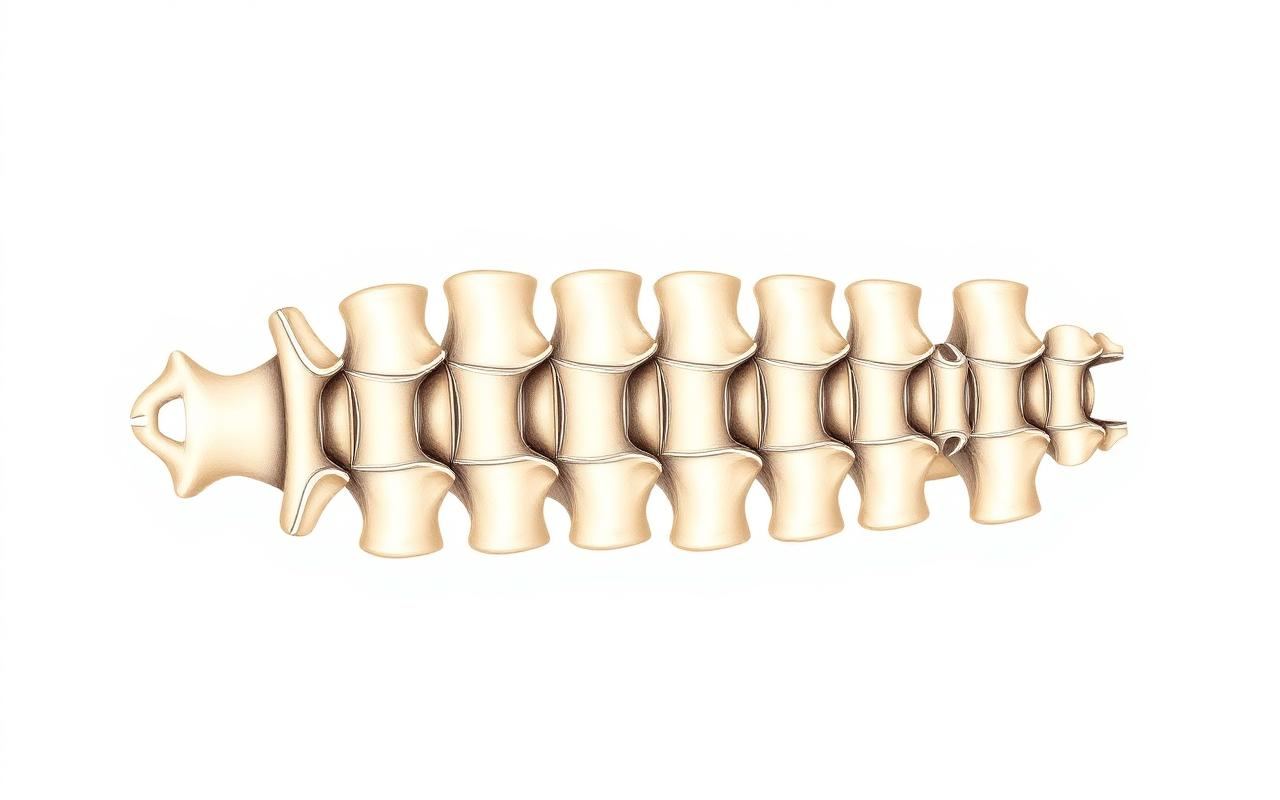
These injuries don't announce themselves. But by the time the pain becomes nearly hard to ignore, the damage has already been building for a while. Chiropractic care works through that damage methodically and restores the joint mobility that repetitive stress has been gradually limiting. It also corrects the spinal imbalances that make the body vulnerable to that kind of wear over time. Some patients seek chiropractic care for tendonitis alongside physical medicine and rehab exercises.
Cervicogenic Headaches
These headaches almost always get treated in the wrong place. The pain is felt in the head, so that's where the focus goes. Medication, rest, and more medication. But cervicogenic headaches don't originate in the head. They start in the upper neck, where misaligned vertebrae irritate the surrounding nerves and send that pain forward into the skull. Chiropractic adjustments to the upper neck go after the actual source of the problem and treat it.
What Happens During a Chiropractic Session
Adjustment doesn't start with your first appointment. It starts with the chiropractor understanding your condition. It matters because a chiropractic treatment for car accident injuries is not a one size fit all solution. This means what worked for a herniated disc will not work for whiplash.

That's why a physical examination is necessary. Your chiropractor in Pottsville, PA, assesses spinal alignment, joint mobility, posture, and neurological function. Some cases require imaging before treatment begins.
Here is what they are looking for: origin and timeline of the injury, whether pain is localised or radiating, response to previous treatments, relevant medical history, and the current state of spinal and joint function.
Treatment begins once the chiropractor has the full picture. The most common technique is spinal adjustment, where a precise controlled force is applied to a joint that has lost its normal movement.
Depending on what your condition needs, soft tissue therapy or rehabilitative exercises may be added. The session itself is straightforward for most patients. Some experience mild soreness in the treated area for a day or two afterward. That is a normal response as the body adapts to restored joint movement.
How Long Does Recovery Take?
This is one of the most common questions patients ask. The honest answer is it depends entirely on the individual case.
An acute injury caught early behaves very differently from something that's been quietly building for months or years. Someone who comes in shortly after a workplace strain will usually start feeling meaningfully better within a few weeks of consistent care.
Someone dealing with longstanding neck problems, layers of muscle compensation, and years of wear is working with a different situation entirely, and their recovery reflects that. Here are a few things that genuinely shape how long healing takes: how serious the injury is and what caused it, how long it went untreated before you came in, your age and general health, whether the habits contributing to the problem are being addressed too, and how consistently you show up and follow through.
People start noticing real improvement within the first few visits for most musculoskeletal issues. Full recovery can range from a few weeks to several months, depending on what's going on.
When Chiropractic Care Works Best
Not every ache or injury needs chiropractic care. But when it is the right fit, the results can be genuinely life-changing. Here's when it can actually work best.

When your pain has a physical root cause
A lot of pain people live with daily has a physical root cause. Chiropractic care looks for that root cause. Back pain, neck stiffness, recurring headaches, hip and shoulder tension respond really well to chiropractic care because it targets the source.
When you come in before things get worse
The body is incredibly good at adapting. It quietly shifts and compensates to keep you moving if something is off. The problem is those compensations pile up over time and become their own source of pain.
When you follow through with the full treatment plan
One session can take the edge off. But real improvement comes from following through with a proper work injury chiropractic treatment plan. Patients who come in regularly and stay consistent see results that actually last.
Ultimately, a good chiropractor in Pottsville, PA, will tell you straight if what you are dealing with is outside what chiropractic can fix. This kind of honesty is a sign you are in the right hands.
Conclusion
Recovery is not always a straight road for all. Some people feel better quickly while others take longer just to feel the change. This is completely fine because everybody is different and every condition has its own story. But one thing is consistent: the people who stay committed to their treatment.
If you've been managing pain that just won't fully go away (whether it's from an accident, a workplace injury, or something that crept up slowly over time), you don't have to keep guessing. Your body is telling you something hasn't been fixed yet. Listening to that is not a weakness. It's the smartest thing you can do for your long-term health.
Ready to stop managing your pain and start actually recovering? The team at Complete Injury Care is here to help you get there. From your first assessment to your last session, the focus is on finding what's really driving your pain and treating it properly so you can get back to moving, living, and feeling like yourself again.
Frequently Asked Questions (FAQs)
How do I know if chiropractic care is right for my injury?
A good chiropractor will assess your condition first and be upfront if something else is a better fit for you.
Is chiropractic adjustment safe, and does it hurt?
For most people, it's comfortable and well-tolerated. The popping sound you may hear is just gas releasing from the joint. Some mild soreness can follow for a day or two, similar to post-exercise stiffness, but it passes quickly.
How many sessions will I need before I start feeling better?
Most patients notice real improvement within the first few visits. Full recovery can range from a few weeks to a few months depending on the severity of your injury, how long it went untreated, and your overall health.
Can chiropractic care help even if my injury happened a long time ago?
Yes. Old injuries are one of the most common things chiropractors treat. The structural damage doesn't resolve on its own with time. Consistent care can still restore function and reduce chronic pain, even years after the original injury.