
Three months of back pain changes how you think about surgery. You told yourself you'd never go under the knife for this. Now you're not sure.
This is where most people are when they find spinal decompression therapy. Not desperate, but tired of managing pain instead of resolving it. Herniated and bulging discs don't always respond to rest or standard physiotherapy, and they don't always need surgery either.
There's a middle ground, and spinal decompression sits in it. The question isn't whether it sounds good. The question is whether it actually works for your specific situation. If you've been struggling to figure out the same, you don't have to anymore. This blog answers: Is spinal decompression therapy effective for herniated and bulging discs or not?
Understanding Herniated and Bulging Discs
Herniated and bulging discs are two terms often used interchangeably. This is because they both point to the same thing, which is damage to a disc that presses on a nerve. This causes pain in the back and/or the legs (or arms, if the damaged disc is in the neck).
While the conditions may look similar, they aren't the same thing technically. This matters especially when you're opting for a treatment option.
What Is a Bulging Disc?
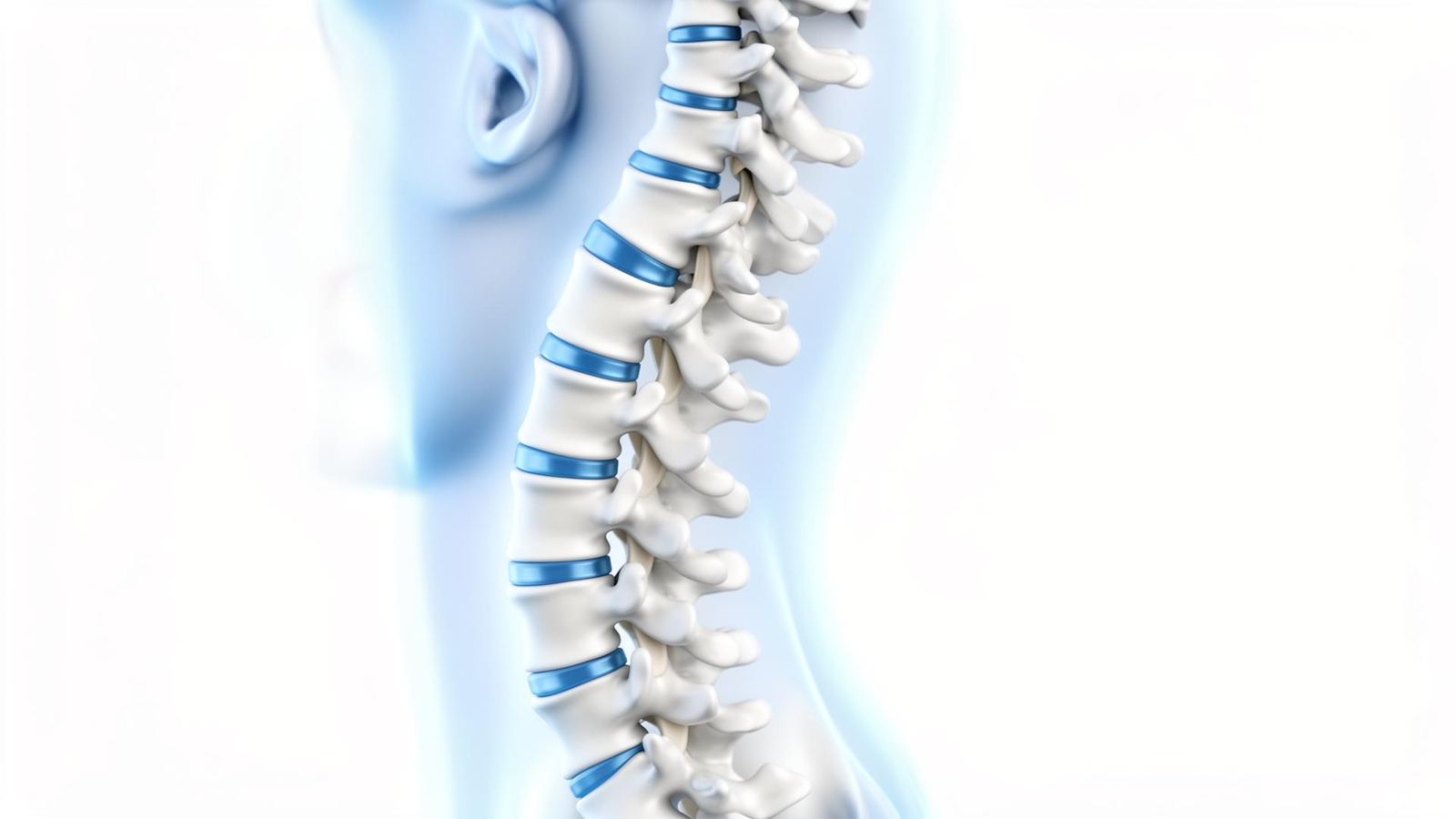
Your spinal discs have a tough outer wall and a soft inner core. A bulging disc happens when the inner core pushes against that outer wall hard enough that the disc extends beyond its normal boundary. The wall hasn't torn. But if the disc is pressing on a nearby nerve, you feel it, sometimes significantly.
What Is a Herniated Disc?
A herniated disc happens when the outer wall actually tears and the inner material is pushed through. That leaked material irritates the nerve root directly. This is the reason herniated discs tend to cause sharper and more specific pain. It often travels down one leg or arm, depending on where in the spine it happens.
Common Symptoms
It depends on where the affected disc sits.
Lower spine involvement usually means back pain, leg pain, or sciatica.
Neck involvement usually means neck pain, arm pain, or numbness into the hands and fingers.
Muscle weakness can develop in more advanced cases.
Worth knowing: how serious the disc looks on an MRI doesn't always match how much pain you're in. Some people have significant disc damage and feel very little. Others are in serious pain with relatively modest imaging findings.
What Is Spinal Decompression Therapy?
Spinal decompression therapy is a non-surgical treatment. It works by gently stretching the spine to relieve pressure on compressed discs as well as the nerves they're affecting.
How the Treatment Works
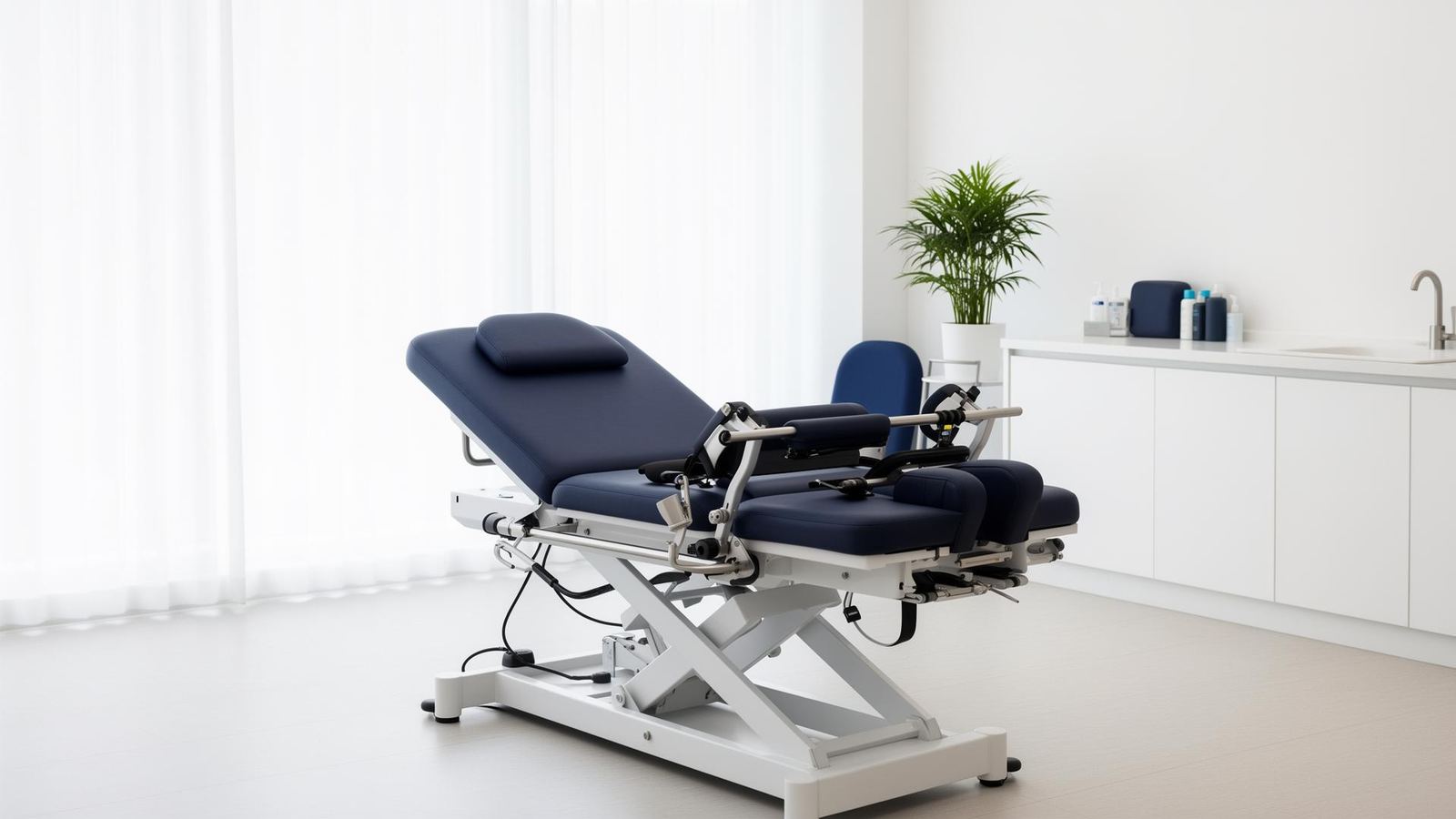
The treatment uses a motorized table that applies a precise pulling force to the spine. That force is calculated based on your body weight, the location of the disc problem, symptoms, and clinician judgment. It is a form of traction, but more advanced and computer-controlled. The force is applied in cycles and adjusted throughout the session to help reduce muscle tension and resistance.
Types of Spinal Decompression
Two main types exist. Non-surgical spinal decompression uses a motorized table, which is commonly offered in some clinics. Surgical decompression, such as a microdiscectomy or laminectomy, physically removes the material pressing on the nerve. This article focuses on the non-surgical version.
What Happens During a Session?
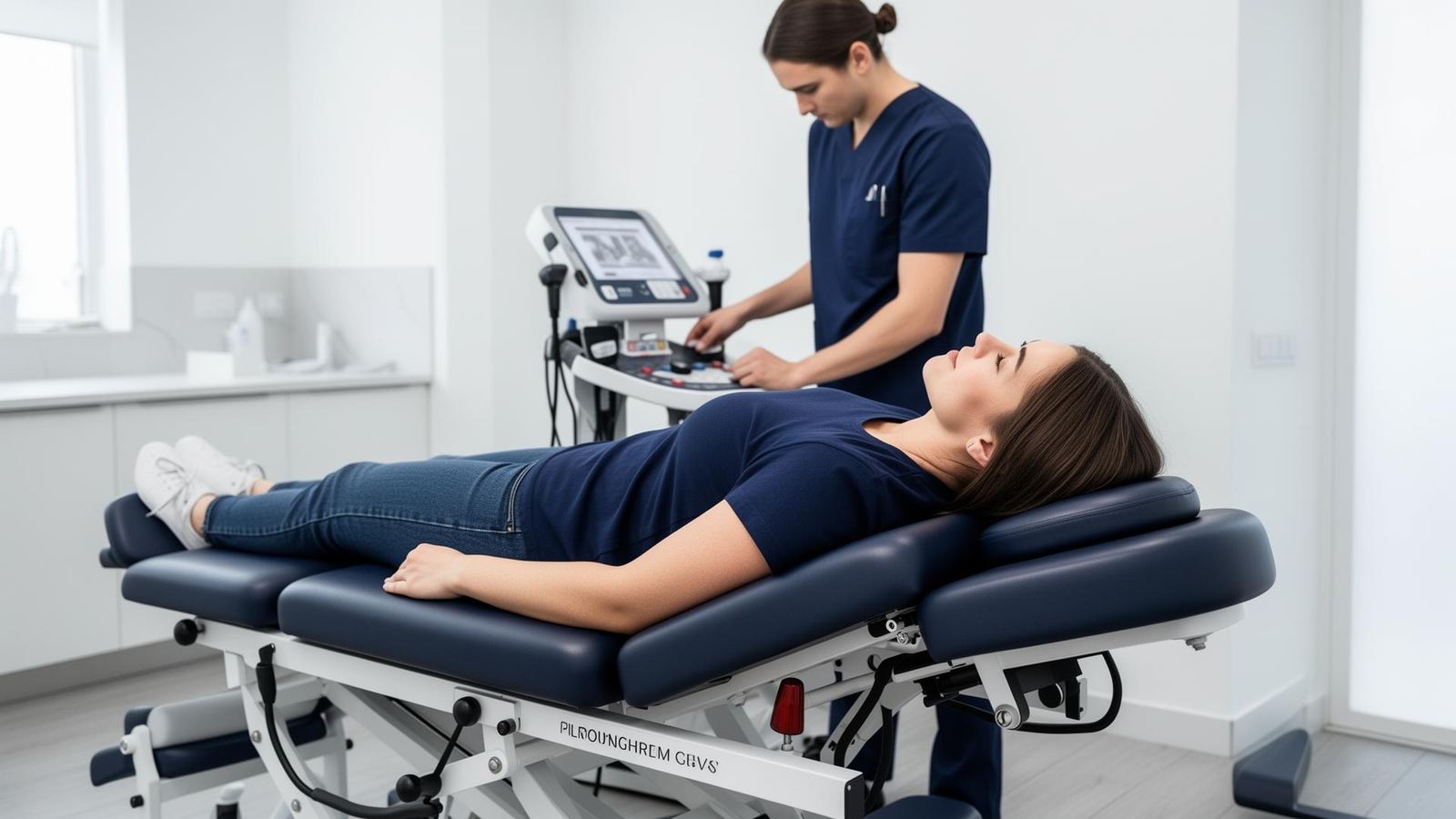
During a session, you lie on a motorized decompression table. A harness is fitted around your pelvis and another around your trunk, which allows the table to apply the decompression force to the right part of the spine. You lie either face up or face down depending on the treatment approach.
The pull is computer-controlled and adjusted specifically to your condition, your weight, and the spinal level being targeted.
Each session runs 30 to 45 minutes. Most people need somewhere between 20 and 28 sessions, spread across five to seven weeks. That's not a fixed number. How your body responds matters more than the protocol. Some clinics also pair decompression with electrical stimulation, ultrasound, or heat and cold therapy in the same visit, depending on what else is going on with your spine.
What Conditions Can Spinal Decompression Treat?
Spinal decompression doesn't treat every back condition. This treatment works best when there's a clear reason a nerve is being compressed.
Here are some conditions it's commonly used for.
Bulging discs: when the cushion between the bones of the spine pushes outward.
Degenerative discs: when the spinal cushions begin to wear down over time.
Herniated discs: when part of a disc slips out and presses on a nearby nerve.
Pinched nerves: when a nerve is compressed, causing pain, numbness, or tingling.
Sciatica: irritation or damage to the sciatic nerve, leading to pain down the leg.
Spinal stenosis: narrowing of the spaces in the spine, often due to bone spurs or disc problems.
Most people who land on spinal decompression therapy for herniated and bulging discs are already looking for answers that don't involve an operating table, and for conditions like spinal stenosis, treatment without surgery remains a realistic path worth exploring seriously.
How Spinal Decompression Helps Herniated and Bulging Discs
Most treatments for disc pain manage the symptom, which is not as effective as it seems. Spinal decompression therapy for herniated discs and bulging discs attempts to address what's actually causing it.
Does Spinal Decompression Reduce Nerve Pressure?
The treatment works by creating negative intradiscal pressure. When the spine is stretched in a controlled, measured way, that pressure shift can draw herniated or bulging disc material away from the nerve root it's compressing.
Does It Restore Disc Hydration and Nutrition?
Spinal discs have no direct blood supply. They depend entirely on pressure changes and movement to absorb fluid and nutrients. Prolonged compression cuts that supply off. But decompression restores it.
Does Spinal Decompression Promote Long-Term Disc Health?
Spinal decompression doesn't reverse structural damage. What it can do is interrupt the cycle of compression and inflammation that keeps the condition from improving. For people with work-related back and spine injuries, where repeated physical strain has worn the disc down gradually, that interruption can make a real difference.
Benefits of Spinal Decompression Therapy
Surgery scares many people because it comes with so many risks. And most medications do nothing besides masking the pain. Non-surgical spinal decompression chiropractic care works differently.
Is Spinal Decompression a Non-Invasive Treatment Option?
During spinal decompression therapy for herniated and bulging discs, nothing is cut or injected. You just lie on a table, and the treatment runs its course. For someone weighing this against surgery, that difference is significant.
Can Spinal Decompression Help With Drug-Free Pain Management?
Long-term reliance on pain medication is its own problem. Anti-inflammatories and muscle relaxants manage how pain feels. They don't change what's causing it. When decompression reduces pressure on the nerve, the pain signal itself weakens.
Are Treatment Plans Personalised?
The force applied, the angle, the duration, the total number of sessions. All of it is calibrated to your specific diagnosis. A lumbar herniation at one level requires a different approach than cervical disc compression. Your body weight affects the calculation. Your response after early sessions shapes what comes next. It's not a fixed protocol handed to every patient with back pain.
Conclusion
If you have a herniated or bulging disc and you've already worked through the basics (rest, medication, standard physiotherapy) and nothing has held, spinal decompression chiropractic care is worth a serious conversation. Not because it works for everyone. Because for the right patient, it addresses the source of the problem rather than managing symptoms around it.
The next step isn't committing to treatment. It's getting assessed by someone who can tell you honestly whether your diagnosis fits.
Complete Injury Care in Pottsville, PA, specializes in chiropractic care and injury recovery, including non-surgical spinal treatment for disc conditions, work-related back and spine injuries, and auto accident cases. Same-day appointments are available.
Book a free consultation or call 570-622-0809.
Frequently Asked Questions (FAQs)
Q1: How many sessions of spinal decompression do I need to see results?
Most patients notice improvement between the 6th and 10th sessions.
Q2: Is spinal decompression painful?
Most patients find it comfortable. You may feel a gentle stretching sensation, but it shouldn't hurt. If it does, the settings are adjusted.
Q3: Can spinal decompression replace surgery?
For some patients, yes. Over 90% of herniated and bulging disc cases resolve without surgery.
Q4: Who is not a good candidate for spinal decompression?
People with severe osteoporosis, spinal fractures, implants, or tumors are generally excluded.
Q5: How is spinal decompression different from regular traction?
Traditional traction applies constant pulling force, causing muscles to resist. Spinal decompression uses a computer-controlled cyclical force that reduces muscle resistance and allows more effective decompression.